Duck with Seamless Pattern
A Designer’s First Look: Charm, Clarity, and Quiet Confidence
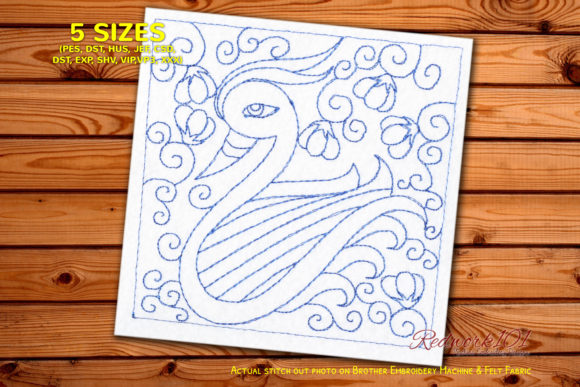
When Duck with Seamless Pattern landed in my inbox, I paused mid-coffee sip—not because it screamed for attention, but because it *invited* it. This isn’t a loud, trend-chasing duck. It’s softly rounded, gently curved, and stitched with an intentional flow that makes the bird feel like it *grew* from the paisley motifs rather than sitting atop them. The mood is sweet but not saccharine, playful without tipping into cartoonish—and crucially, it feels handmade, even before you stitch it. That warmth matters deeply when you’re designing personalized gifts. Customers don’t just buy embroidery; they buy emotional resonance. Duck with Seamless Pattern delivers that quietly, consistently.
Where This Design Truly Shines
I tested Duck with Seamless Pattern across seven real-world applications our shop handles weekly: baby blankets, linen kitchen towels, cotton pillow covers, canvas tote bags, organic cotton aprons, nursery wall hangings, and wedding keepsake handkerchiefs. In every case, it elevated the item—not by dominating it, but by harmonizing. On a cream baby blanket? It whispered tenderness. On a navy embroidered towel? It added joyful contrast without clashing. On a blush linen pillow cover? It felt like a gentle heirloom detail.
This design excels in contexts where meaning outweighs flash: baby embroidery for gender-neutral nurseries, wedding gifts for couples who love nature-inspired minimalism, family keepsakes stitched onto quilt squares or memory boxes, and custom tote bags for small-batch bakeries or botanical studios. Etsy sellers will find it especially strong in listings tagged “whimsical nursery decor,” “personalized baby gift,” or “handmade wedding favor.” Because it’s rooted in paisley—a timeless, globally resonant motif—it bridges classic and modern sensibilities effortlessly.
Thoughtful Placement Matters
Not every surface is equal—and Duck with Seamless Pattern rewards intentionality. Avoid placing it on tightly woven textured fabrics (like heavy bouclé or nubby jacquard) where fine paisley lines may blur. Thick terry cloth towels demand extra stabilizer and slightly reduced stitch density to prevent puckering—test first. Stretchy baby onesies? Possible—but only with tear-away + cut-away stabilizer combo and careful hooping; skip ribbed knits entirely. Curved surfaces (like mugs or curved tote straps) aren’t suitable—this is a flat-surface embroidery file, best used where fabric lies smooth and stable.
Dark fabric works beautifully—if your thread colors pop with enough contrast. I recommend stitching a quick printable mockup in both light and dark tones before finalizing. And while the duck itself reads clearly at medium scale, avoid shrinking it below 3.5 inches wide: the seamless integration with paisley relies on subtle rhythm, not micro-detail. Small lettering or names alongside it? Keep those fonts clean, bold, and generously spaced—never delicate script.
Why Customers Trust This Design
Giftability starts long before the box is tied. Duck with Seamless Pattern boosts perceived value because it looks *considered*. Not mass-produced. Not generic. When customers see it on your website or Instagram, they sense craftsmanship—not just custom embroidery, but curated storytelling. That builds trust. For baby product creators, it signals care and thoughtfulness. For wedding gift designers, it suggests elegance with approachability. Even in craft fair booths, it draws slower, more engaged browsing—people tilt their heads, smile, and ask, “Is that hand-drawn?” (It’s not—but it feels like it could be.)
Photography benefits too. Its balanced negative space and organic shape compose beautifully against neutral backdrops. No frantic cropping needed. Just lay it flat, diffuse the light, and let the seamless flow speak for itself.
Practical Embroidery Notes You Can’t Skip
Before stitching your first customer order, do this:
- Test on scrap fabric—exactly matching your intended product’s weight, weave, and stretch.
- Check thread color contrast on both light and dark substrates; some palettes recede on black or navy unless you adjust brightness or saturation.
- Confirm hoop size compatibility; if your machine requires re-hooping mid-design, note where the duck’s flow might interrupt continuity.
- Review stitch density; high-density fills can overwhelm lightweight fabrics—consider simplifying fill areas if using on gauzy muslin or rayon.
- Use proper stabilizer: medium-weight cut-away for knits, tear-away for stable wovens, and fusible + tear-away for towels.
- Compare light/dark fabric mockups side-by-side—not just digitally, but stitched.
- Inspect small details post-stitch: check that paisley curves remain fluid and the duck’s outline stays crisp, not frayed or pixelated.
- Verify commercial licensing before selling finished products. Duck with Seamless Pattern is a digital embroidery file intended for handmade product use—but confirm terms directly with the creator before listing on Etsy or wholesale channels.
Final Thoughts for Makers and Sellers
Duck with Seamless Pattern isn’t just another embroidery file. It’s a quiet collaborator—one that helps small shop owners communicate care, helps baby product creators soften clinical spaces, and helps wedding gift designers offer something tender instead of traditional. It performs reliably across categories, photographs well, and invites personalization without demanding it. Whether you’re stitching a single nursery pillow cover or prepping 50 custom totes for a boutique launch, this design supports your voice instead of overriding it.
For Etsy sellers and digital product sellers: pair it with soft, descriptive listing language (“seamlessly integrated,” “gentle paisley rhythm,” “designed for heirloom gifting”) and include lifestyle mockups—not just isolated designs. Show it on a folded blanket, tucked into a linen tote, or stitched beside a tiny embroidered name. That’s how Duck with Seamless Pattern becomes more than a pattern. It becomes a promise.